







The Quiet Fire: Why Your Heart and Longevity Thrive on Anti-Inflammatory Foods
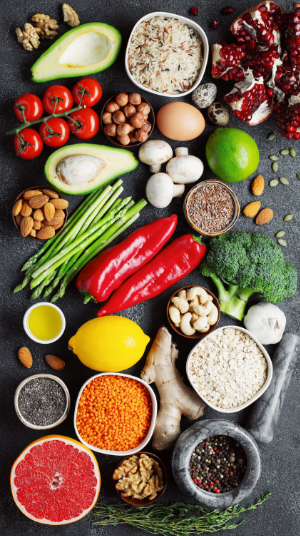
We usually picture inflammation as a "red alert"—the swelling of a sprained ankle or the redness around a cut. This is acute inflammation, a vital sign of healing. However, there is a quieter, more dangerous version: chronic inflammation. This low-level "smoldering fire" can persist for years without symptoms until it impacts your long-term health. Cooling this fire is the ultimate secret to cardiovascular resilience and a longer health span. Chronic inflammation is linked to nearly every major illness, from cancer and dementia to chronic pain, heart disease and diabetes.
How Chronic Inflammation Happens
In our modern world, this inflammed state is often triggered by a combination of lifestyle factors. Here are 3 of the top lifestyle factors that can lead to chronic inflammation:
- Dietary Stress: High intake of refined sugars and ultra-processed seed oils. The average American consumes 2–3x the daily allowance of added sugar!
- Constant "Fight or Flight": Chronic stress keeps inflammatory markers high, inhibiting your body's capacity to recover and repair.
- The Sedentary Cycle: Lack of movement leads to weakening of your cardiac tissue and hardening of your blood vessels. Inactivity also leads to blood sugar dysregulation and abdominal weight gain (visceral fat), which is also highly inflammatory.
When these factors persist, your immune system begins to attack healthy tissues, leading to "wear and tear" across your vital systems. This can show up in your cardiac system, brain, joints and impact your overall energy level.
The Impact on Your Vital Tissues:
- The Cardiovascular System: Inflammation makes the inner lining of your arteries "sticky." Your body sends LDL cholesterol to these sites to act as a "patch" or "scab." Over time, these patches build up into plaque, causing arteries to lose flexibility and narrow. This forces your heart to pump harder, often leading to high blood pressure and a higher resting heart rate.
- The Brain: Systemic inflammation can cross the blood-brain barrier, clouding your cognitive clarity. This manifests as "brain fog," difficulty focusing, and lower emotional resilience due to disrupted serotonin production. Chronic inflammation is now linked to the cognitive decline associated with dementia and Alzheimer's disease.
- Daily Energy: Inflammation is metabolically expensive. It interferes with your mitochondria (your cellular power plants), leaving you feeling sluggish regardless of how much sleep you get.
- Joint Health: Chronic inflammation erodes bone tissue and healthy cartilage as well as reduces collagen, leading to weakening of ligaments and tendons. These changes can cause osteoarthritis, stiffness, injuries and is a set up for chronic pain.
The Solution: A Whole-Food, Anti-Inflammatory Diet
A whole food is simply food that remains as close to its natural state as possible—think of a sweet potato over a packaged cracker, or brown rice over pasta.
An anti-inflammatory diet floods the body with antioxidants and healthy fats to "cool" the internal fire. This isn't about restriction; it’s about high-quality fuel that helps your system repair and thrive. When you eat this way, you’ll feel more satiated, energized, and vibrant.
Foundations of Anti-Inflammatory Nutrition
1. Prioritize Plants (The 50% Rule): Fill half your plate with colorful vegetables. These phytonutrients serve as antioxidants and protect your DNA from oxidative stress. This slows down the aging process.
- Leafy Greens: Kale, spinach, and chard.
- Cruciferous: Broccoli, cauliflower, and Brussels sprouts.
- Deep Pigments: Beets, sweet potatoes and peppers.
2. Focus on Healthy Fats
Healthy fats are essential and Omega-3s are key for lower levels of inflammation impacting cardiovascular, brain and joint health.
- Sources: Healthy Fats: Avocados, extra virgin olive oil (EVOO), and coconut oil. Omega 3's: chia seeds, flaxseeds, hemp seeds, walnuts, and wild-caught fatty fish (salmon, anchovies, mackerel, sardines or herring).
3. Choose High-Quality Protein
- Sources: Beans, lentils, organic tempeh, pasture raised eggs, grass fed beef or pasture-raised poultry. Limit red meat to twice a week.
4. Low-Glycemic Fruits
- Sources: Berries (blueberries, raspberries, strawberries) are antioxidant powerhouses. Granny Smith apples and citrus are also excellent choices.
5. Make Fiber Your Friend
Fiber acts as a brake for sugar. Choosing whole fruits and grains over juices and refined flours prevents the insulin spikes that trigger inflammation. Example: eat an apple over drinking apple juice.
Anti-Inflammatory Supports
- Turmeric & Ginger: Potent natural anti-inflammatories for smoothies or stir-frys.
- Green Tea: Rich in polyphenols that protect cells from damage.
- Garlic & Onions: Support immune function and heart health.
Foods to Minimize
- Refined Sugars: Check labels! Aim for under 25g (women) or 36g (men) of added sugar daily.
- Seed Oils (Omega 6 Fatty Acids) : Reduce soybean, corn, and cottonseed oils (common in dressings, sauces and restaurant or take out meals).
- Refined Flour: Swap white bread and pasta for whole-grain alternatives like brown rice, quinoa and buckwheat.
- Alcohol: Spikes blood sugar, stresses the liver, and disrupts sleep quality.
Start with One Thing
Remember, improving your nutrition and lifestyle is a lifelong journey. This week, start with one shift:
- Add one more colorful vegetable or fruit to your menu.
- Cut out alcohol an extra night of the week or decrease your consumption when you do drink. If you really want to optimize your health, give up or significantly limit alcohol.
- Read labels and buy condiments with the lowest added sugar.
- Swap a processed seed oil for EVOO, avocado or coconut oil.
- Replace a sugary snack with an apple and walnuts.
The Bottom Line
When you add in nutrient-dense foods, your body naturally begins to crave the processed stuff less. This isn’t about being perfect; it’s about being persistent. Your heart, mind, joints and energy levels will thank you for every small shift you make.
Curious to dive deeper? Join our Vitality Community as we continue our 3-month focus on Building a Resilient Heart. We will explore this topic more deeply and provide resources for embracing an anti inflammatory diet and lifestyle as well as progress our cardiovascular fitness.