






Is Stiffness Your New Normal? It Doesn't Have To Be.
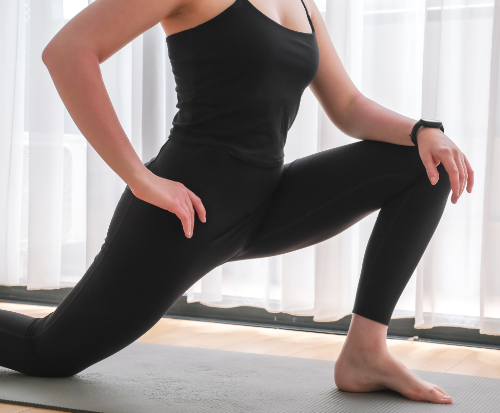
Feeling Stiffer Than You Used To?
Achy joints in the morning? Hips or knees feel "glitchy" after sitting? Are you finding it harder to get up and down? Do gardening or home projects leave you more sore and fatigued than they used to? Does movement make you feel better? Are you dealing with injury recovery or old unresolved issues? Even consider yourself "bad" at yoga?
If you answered yes to one or more of these questions, you would greatly benefit from putting some focus into improving your mobility. We hear a lot about the importance of maintaining cardiovascular health and strength training as we age, yet often we assume feeling like the tin man is just a part of normal aging. I hear this all the time in my clinic. It seems people tend to expect more stiffness and pain as they age, and I want to encourage you not to accept this as your "new normal" but to understand why your body may be feeling stiff, restricted, or imbalanced.
 In our fast-paced modern world that is full of artificial lighting, limited daylight exposure and blue light from devices, maintaining healthy sleep can be challenging. It's easy to lose touch with the natural rhythms that govern our bodies. Consider how we've evolved as a species, it was not that long ago that as the sun went down, humans would cook by the light of fire and read in candlelight. This shift from daylight to low amber light signaled the brain to produce melatonin and to get ready for sleep. Today, it's common in our homes that we have bright overhead lights, blue lights from televisions and phone screens (often displaying stimulating or stress-inducing content) that disrupt our evening wind down routine and impact our readiness for sleep.
 Every January, millions of people set ambitious New Year's resolutions: lose weight, move more, eat healthier, stress less. Yet by late January or early February, many of these well intended health goals have fallen to the wayside.
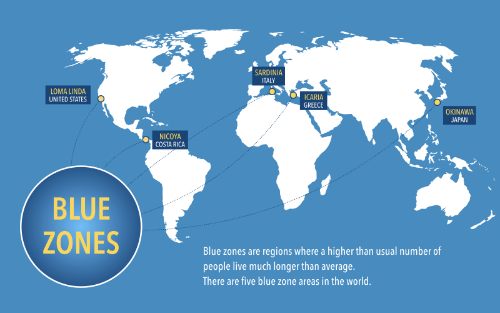
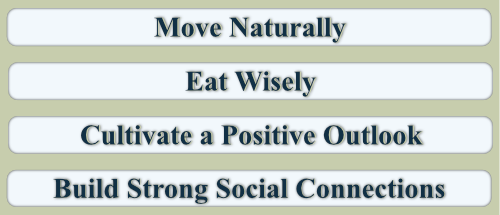
  The Blue Zones, regions with the highest concentration of centenarians, offer valuable insights into the secrets of longevity. One of their core pillars, Build Strong Social Connections, underscores the profound impact of human connection on our well-being.