






Reaching Your Protein Goals: What Makes Animal & Plant Proteins Different
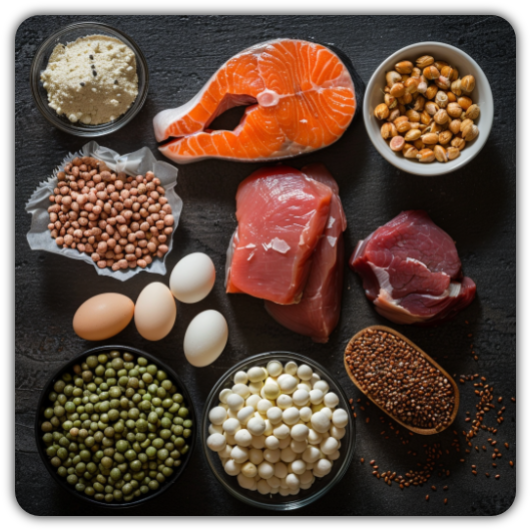
We now know that protein is crucial for building and repairing muscle, but when it comes to muscle protein synthesis (MPS), the engine behind muscle growth, there's a debate: animal protein vs. plant protein. Let's break down the differences and how to fuel your health and fitness goals.
Animal Protein: The Amino Acid Advantage
Animal sources like meat, fish, poultry, eggs, and dairy are considered complete proteins, containing all nine essential amino acids (EAAs) your body can't produce on its own. One key player is leucine, which acts like a trigger for MPS. Animal proteins are also generally more bioavailable, meaning your body can absorb a higher percentage of the amino acids. This translates to a more efficient MPS response.
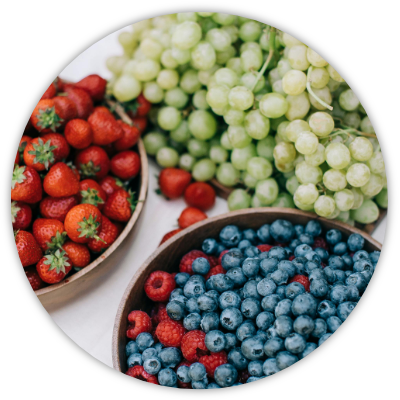 Want to maximize your health and your produce budget? Every year, the Environmental Working Group (EWG) analyzes government data to create the Clean 15 and Dirty Dozen lists. These lists help you make informed choices about which fruits and vegetables to buy organic.




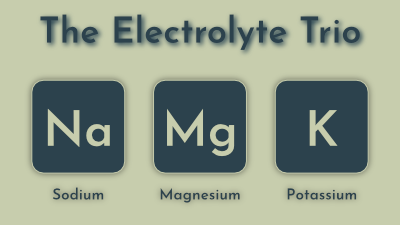 Electrolytes are substances that have a natural positive or negative electrical charge when dissolved in water. Every cell and fluid in your body contains electrolytes. They help your body regulate chemical reactions, maintain the balance between fluids inside and outside your cells, and more.